Summer reading — rising 7th grade
Books commonly assigned over the summer to students entering 7th grade in US schools. Each title links to its full curriculum citations — which districts, curricula, and states reference it.
From 2 sources, including WeAreTeachers 2025 Summer Reading List and Common Core aligned summer-reading list. See all sources
12 titles
Reading the whole Summer reading — rising 7th grade? Kids who struggle with the print versions often finish the assigned books by listening.
Listen free on Audiblestarts instantlyNew members only · many assigned titles are included with the membership. As an Amazon Associate, ReadingList earns from qualifying purchases and membership trials at no extra cost to you.
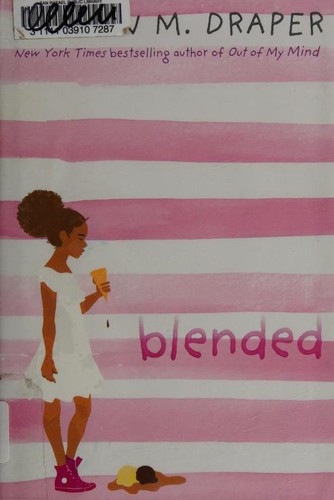 BlendedSharon M. Draper · 610L
- The Season of Styx MaloneKekla MagoonThe Season of Styx MaloneKekla Magoon · 510L
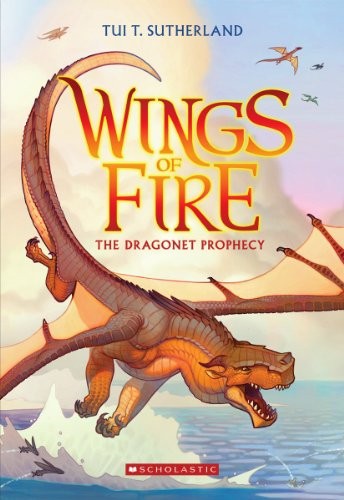 Wings of Fire: The Dragonet ProphecyTui T. Sutherland · 720L
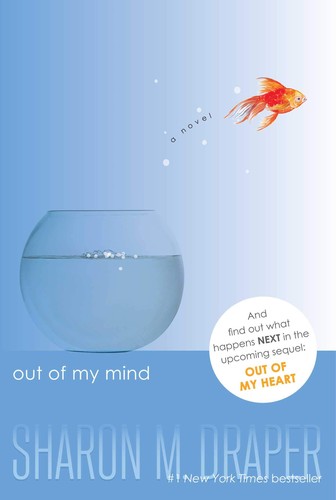 Out of My MindSharon M. Draper · 700L
 SmileRaina Telgemeier · 410L
 Tuck EverlastingNatalie Babbitt · 770L
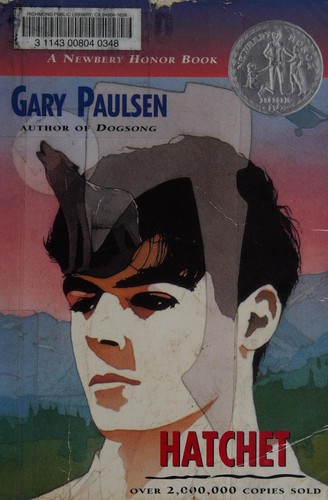 HatchetGary Paulsen · 1020L
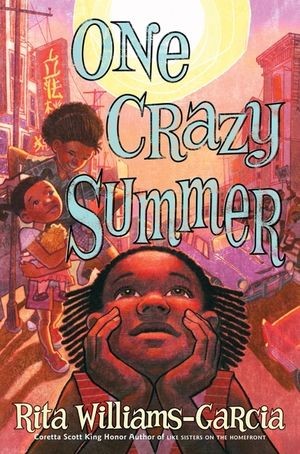 One Crazy SummerRita Williams-Garcia · 750L
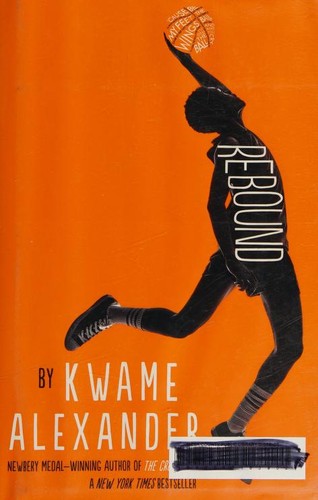 ReboundKwame Alexander · 780L
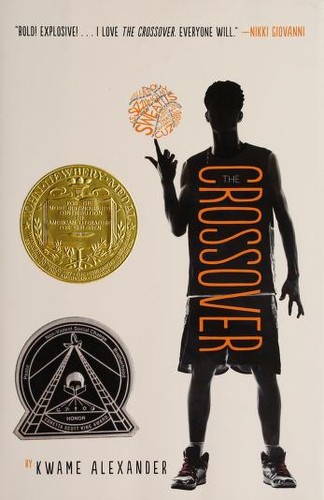 The CrossoverKwame Alexander · 750L
 The GiverLois Lowry · 760L
- The Parker InheritanceVarian JohnsonThe Parker InheritanceVarian Johnson · 610L
Where this list comes from
Summer reading assignments in US schools typically come from one of three sources: a district summer reading list published by the ELA department, a state-level suggested list (most common in Massachusetts, New York, and Virginia), or the incoming teacher’s pre-year reading expectation. Content overlaps heavily year-to-year because districts lean on the same canon — Common Core Appendix B, state ELA exemplars, and AP/IB course-audit frameworks.
The titles here are those most commonly cited across verified district and state summer lists for students entering 7th grade. Each book’s detail page links to its primary-source citation (the state DOE page, district ELA page, or national curriculum document) and the grade placements where it’s referenced. Check your specific district’s website for the binding assigned list — this page surfaces the pattern, not a substitute for the district’s authoritative version.
Rising 7th-grade summer reading tends to cluster around middle-school novels building toward longer form — coming-of-age themes, historical fiction, and first exposure to classic texts.